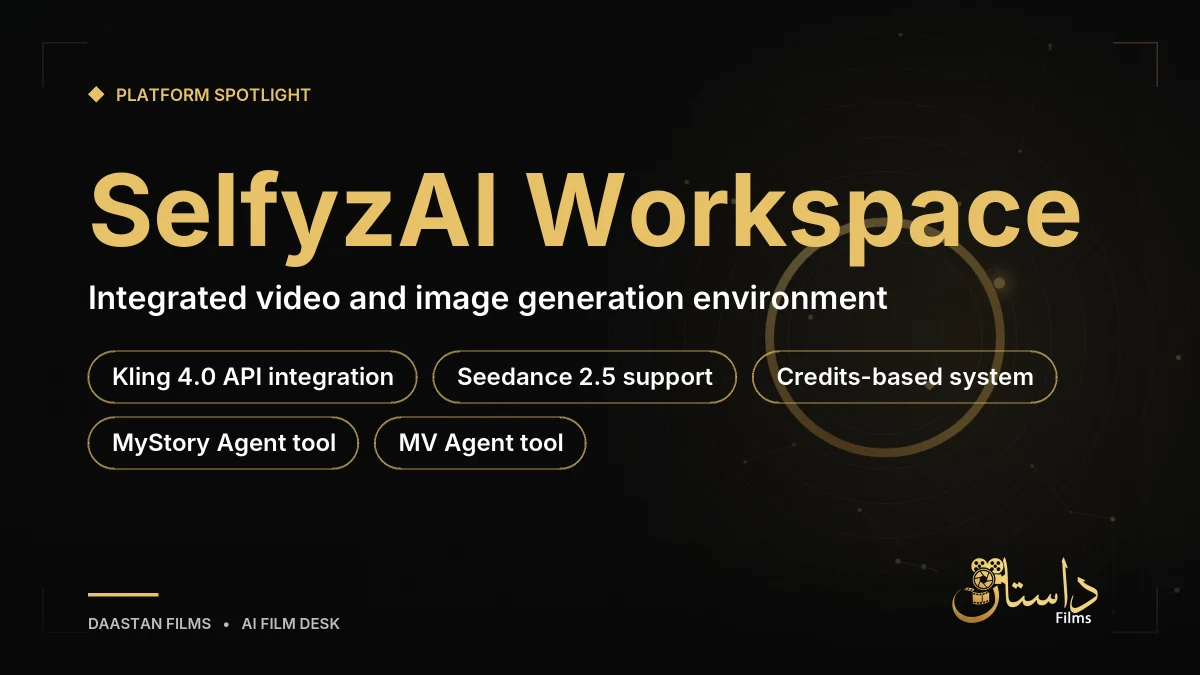
The landscape of automated production workflows continues to expand as major video models become accessible directly inside creator toolsets. According to announcements from EIN News, SelfyzAI has integrated the Kling 4.0 API into its workspace model picker. This rollout places the latest video model from Kuaishou's Kling AI team right into the hands of users alongside existing models like Seedance 2.5.
For filmmakers and digital creators, bridging the gap between raw AI model releases and practical workspace implementation has historically involved waiting through lengthy integration cycles. However, because SelfyzAI participated in the first-batch internal beta review of Kling 4.0 ahead of its release, the platform successfully built the integration to coincide with the public rollout on October 22, 2026. This allows creators to experiment with director-style capabilities immediately rather than waiting for future software updates. When evaluating new AI integrations for production pipelines, understanding how these models function within an established software environment is crucial for maintaining efficient creative habits. Professional editors and independent artists alike often face bottlenecks when transitioning from early model announcements to hands-on testing, making rapid third-party platform integration a major asset for modern pipelines.
Moving from conceptual planning to active digital production requires an acute awareness of software overhead and credit structures. In practice, automated workflows depend on smooth transitions between ideation and execution, where every minute spent waiting on pipeline updates can disrupt momentum. By embedding the latest model directly into an existing workspace environment, platforms aim to eliminate friction. Creators can test prompts, adjust parameter settings, and compare outputs across different engines without leaving their primary interface. This seamless transition supports iterative storytelling, allowing directors to rapidly explore alternate visual directions before committing to final renders.
Understanding the Headline Capabilities of Kling 4.0
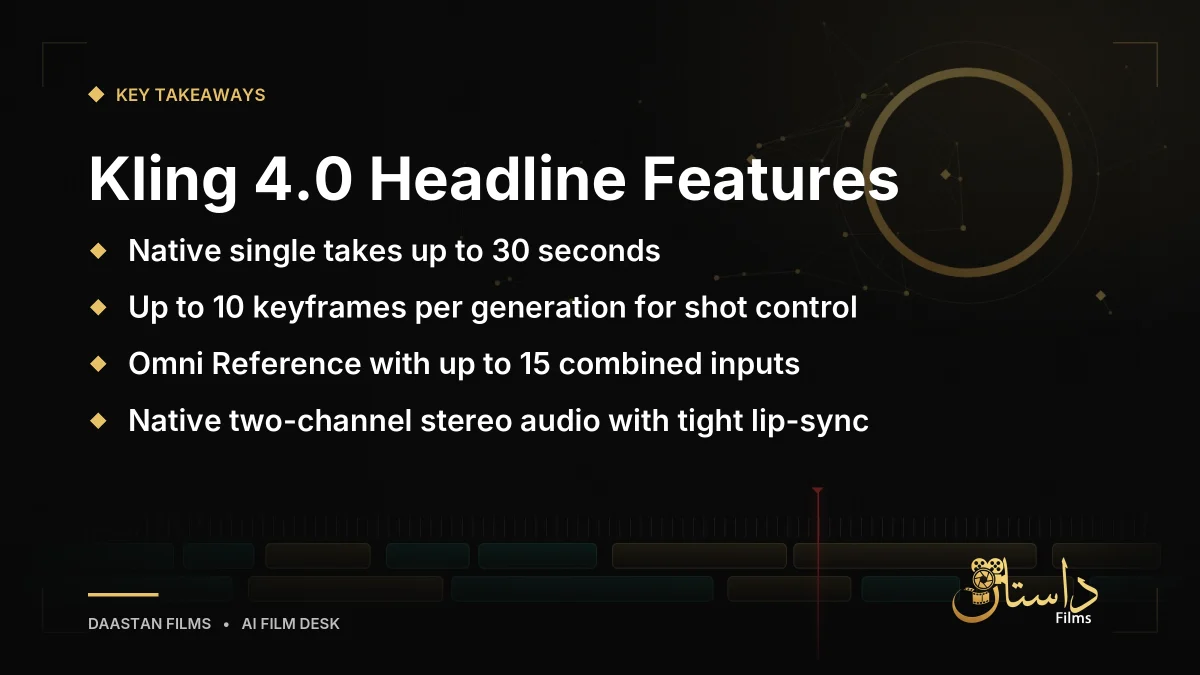
During the hands-on beta period, developers and platform teams explored several core structural upgrades built into the Kling 4.0 architecture. These additions provide a higher degree of shot-level control than previous iterations, making it a viable option for narrative and stylistic video projects. Creators managing automated workflows can leverage native single takes that run up to 30 seconds in length, moving past the constraints of shorter clip generation. This extended duration gives directors more flexibility to let scenes breathe without resorting to immediate cuts or awkward stitching. In narrative filmmaking, extended take length is essential for establishing tone, tracking character movement, and building authentic dramatic tension.
Additionally, the model introduces granular shot management through up to 10 keyframes per generation. This gives directors precise control over motion paths and visual transitions. Another major addition is Omni Reference, a system supporting up to 15 combined reference inputs spanning images, video, voice, and subjects. Coupled with native two-channel stereo audio and tighter lip-sync synchronization, these tools open up streamlined avenues for dialogue-driven scenes and complex multi-modal prompts. For professional creators, managing multiple reference sources and keeping dialogue aligned visually has always been a complex bottleneck, making these native features significant additions to the production toolkit. By unifying visual style, subject consistency, and audio synchronization into a single generation pass, teams can reduce the number of separate editing steps typically required to produce a polished composite.
As digital artists begin experimenting with multi-modal prompts and extended keyframe sequences, establishing a consistent internal methodology becomes paramount. Complex projects involving multiple reference assets require careful cataloging of source files, voice clips, and image boards before generation begins. By maintaining a clean asset library, creators can leverage Omni Reference more effectively, ensuring that the model maintains thematic and stylistic continuity across multiple sequential generations.
Integrating Advanced Models Into Everyday Workflows
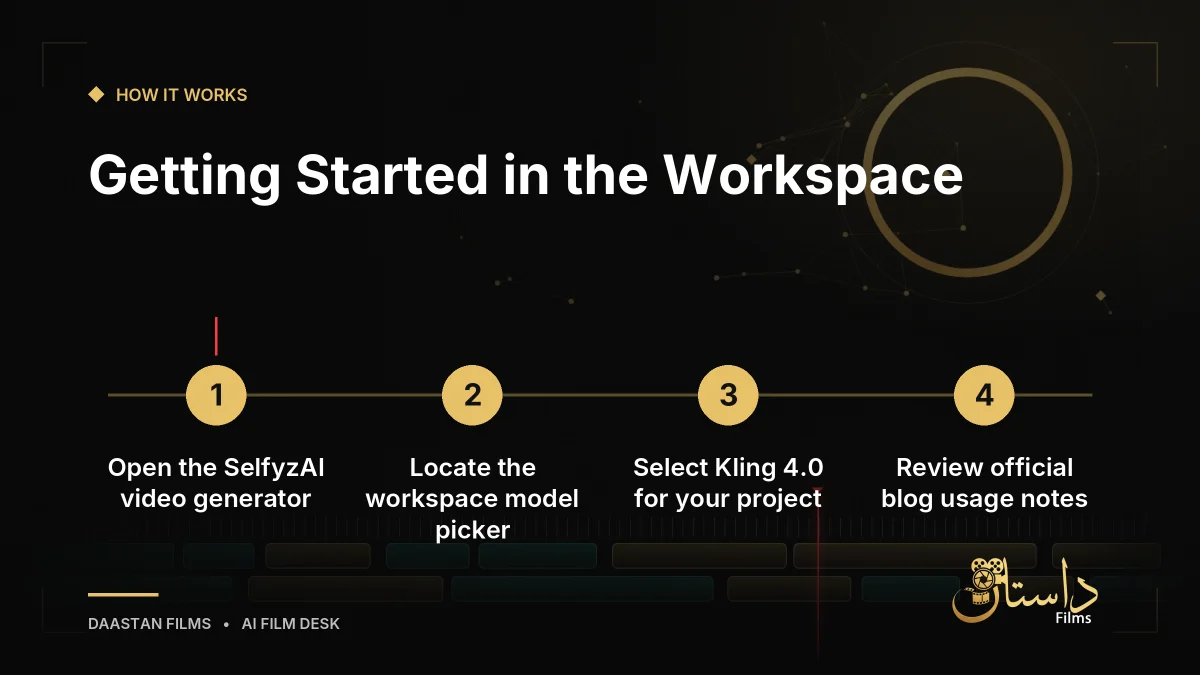
Inside the SelfyzAI Video Generator workspace, users navigate a credits-system environment featuring a model picker alongside creative agents like MyStory Agent and MV Agent. Rather than forcing creators into a single pipeline, the model picker lets projects be matched to the specific strengths of each underlying technology. Filmmakers can alternate between Kling 4.0's extended takes and other integrated solutions like Seedance 2.5, all while maintaining their established production habits. Furthermore, the platform's commitment to publishing usage notes and recommended settings on its blog offers helpful guidance for creators navigating new parameter spaces. These resources help demystify complex configurations, ensuring that users can optimize their generation parameters for specific artistic goals.
While these guides outline best practices, creators should approach automated video generation with a clear understanding of practical limitations. As with any emerging technology, balancing render credits, managing consistency across multiple keyframes, and verifying output licensing remain essential considerations for professional deployment. Editors must carefully weigh these operational factors against the speed and convenience offered by workspace integrations to ensure that final outputs meet professional standards without unexpected friction. Production teams should also consider establishing internal review protocols to evaluate generated assets for continuity, artifacting, and narrative coherence before integrating them into a master timeline.
Furthermore, navigating a credits-based ecosystem requires strategic resource allocation. Because generative runs consume credits based on model complexity and duration, production managers must budget their usage carefully across different stages of a project—reserving high-cost settings for final hero shots while utilizing lighter configurations or alternative models during early storyboarding and visual development phases.
Looking Ahead at Model Adoption and Creator Strategy
The swift incorporation of the Kling 4.0 API highlights a broader industry shift toward rapid ecosystem adoption. As enterprise customers and developers worldwide gain access to the API, platforms that streamline these integrations will likely become central hubs for rapid prototyping and automated storytelling. Creators looking to upgrade their toolkits can test these capabilities directly within the workspace environment today. Establishing a structured evaluation process—testing different model combinations, monitoring credit expenditure, and cross-referencing official usage documentation—will help teams maximize the value of these powerful generative tools in their day-to-day production pipelines.
Ultimately, the successful adoption of advanced video models depends on balancing technical enthusiasm with pragmatic workflow design. By treating generative systems as collaborative partners rather than magical solutions, filmmakers can harness unprecedented creative control while maintaining rigorous quality standards. As the ecosystem continues to evolve, staying informed through official platform documentation and community insights will remain the best strategy for navigating the frontier of AI-assisted filmmaking.
Frequently asked questions
The Kling 4.0 API service officially launched on October 22, 2026, and is gradually opening to enterprise customers and developers worldwide.
Kling 4.0 features native single takes of up to 30 seconds, up to 10 keyframes per generation, Omni Reference with up to 15 combined inputs, and native stereo audio with tighter lip-sync.
Creators can access the new model directly through the SelfyzAI workspace model picker, which operates on a credits-based system alongside other available video models.
Have a film, DVC or AI project in mind?
Daastan Films blends production, post-production and AI. Let’s talk about yours.