A new training initiative has opened its doors to visual storytellers across the continent, lowering traditional entry barriers for emerging digital creators. According to announcements from The Daily Graphic, Idris Elba’s Akuna Group has partnered with Google to launch "From Script to Screen with AI". Designed to guide participants from initial concept to completed work, the initiative offers comprehensive education and mentorship without charging tuition fees.
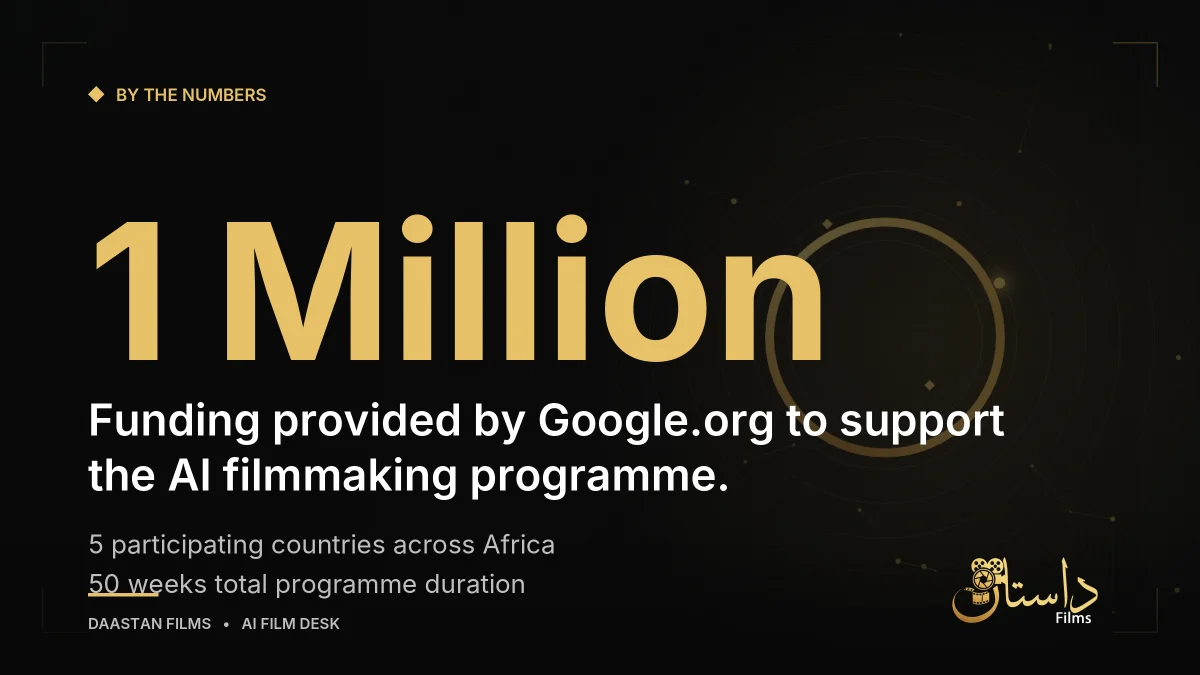
The curriculum for the academy is developed by Curious Refuge and supported by funding from Google.org, as reported by CIO Africa. Rather than focusing solely on classroom theory, the programme provides an end-to-end framework intended to bridge the gap between education and tangible industry production. For emerging directors, writers, and artists looking to integrate modern technological tools into their workflows, this structure offers a rare chance to develop projects with institutional backing. In practice, building a sustainable career in the creative industries requires far more than isolated digital experimentation; it demands structured pathways that connect raw ideas with proper mentorship, technical infrastructure, and financial resources. When creators approach new technological shifts, understanding how to balance raw digital tools with narrative structure is essential for long-term growth.
Independent creators often face significant hurdles when attempting to scale their digital content into fully realized cinematic projects. Equipment access, consistent power, reliable connectivity, and mentorship networks are critical bottlenecks that can stall even the most promising ideas. By delivering a standardized framework across multiple regions, initiatives of this scale aim to address these systemic challenges directly. For visual storytellers, screenwriters, animators, and digital artists across Ghana, Kenya, Nigeria, Sierra Leone, and South Africa, this pan-African effort creates an unprecedented entry point into professional production workflows without the burden of expensive tuition costs.
Understanding the Structure and Timeline
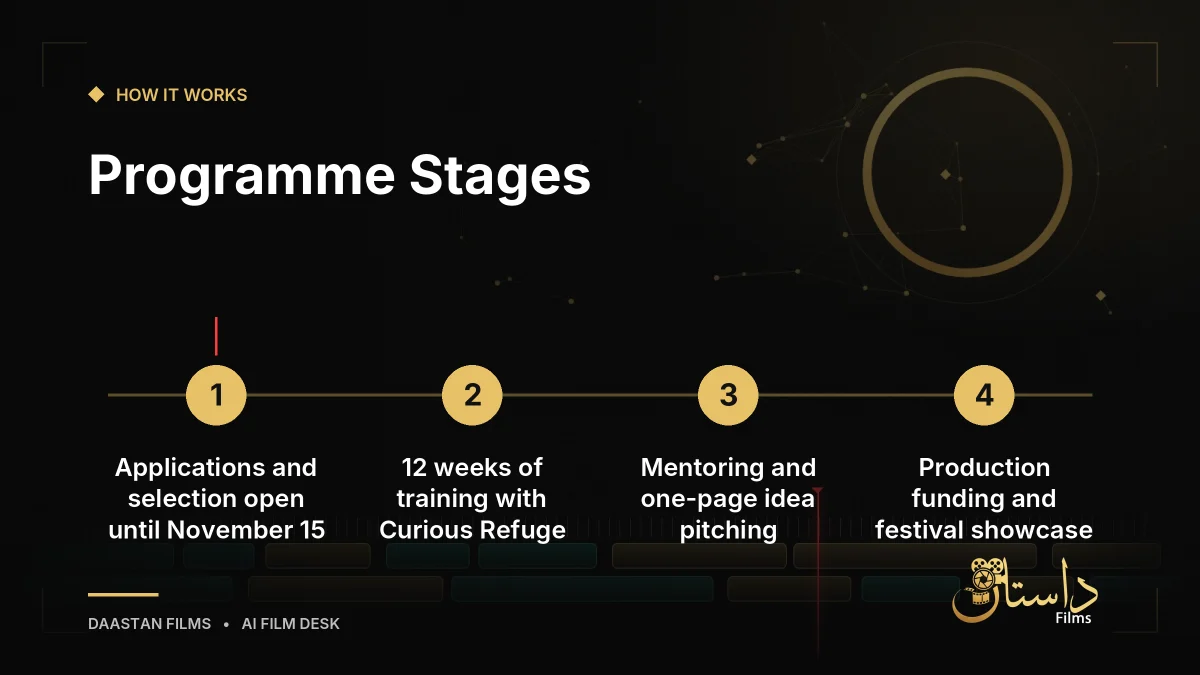
The initiative spans fifty weeks and is divided into distinct operational stages. Applications are open through November 15, 2026, via the Akuna Learning website, with review panels evaluating submissions across participating regions. Successful candidates will then take part in a twelve-week online academy running from February to April 2027.
Following foundational training, participants select a specific creative pathway: fiction, documentary, animation, advertising, or screenwriting. Graduates then submit one-page ideas, and shortlisted teams spend four weeks working closely with mentors and subject experts. Following pitches to industry panels, selected projects receive production funding and technical support to produce finished films ahead of festival showcases scheduled for October 2027. When approaching a structured multi-stage timeline of this length, creators must carefully weigh their personal schedules, equipment access, and long-term professional goals to ensure they can fully engage with every phase without dropping momentum.
The five distinct pathways allow creators to tailor their learning experience to their specific artistic interests. Fiction focuses on narrative filmmaking and scripted storytelling ranging from short films to series. Documentary concentrates on real-world stories and factual filmmaking. Animation centers on animated storytelling, motion design, and visual world-building. Advertising addresses branded storytelling, commercial content, and creative campaigns. Finally, screenwriting emphasizes script development, dialogue, structure, and writing from page to screen. Each pathway is designed to ensure participants acquire specialized technical expertise suited to their preferred branch of the creative economy.
What This Means for Creative Professionals in Practice
For independent creators, the landscape of digital production has shifted rapidly with the arrival of artificial intelligence. Tools for script generation, animation, and visual effects can radically accelerate prototyping and concept creation. However, turning raw digital experimentation into polished, distribution-ready work typically requires capital, structured mentorship, and reliable infrastructure.
The Akuna Group's approach attempts to address these bottlenecks directly. As noted by Akuna Group Chief Executive Officer Khaled Gad, training alone does not build an industry; creators require a clear pathway from the classroom to the screen. By combining curriculum delivery with production funding, mentorship, and festival exposure, the initiative supports creators through the entire lifecycle of a project.
Crucially, the programme maintains creator autonomy. Selected participants retain control of their work, with no ownership claims made by the programme or its partners. This structure protects the intellectual property of emerging artists while giving them the financial and creative backing needed to bring their visions to life. Creators should always weigh the importance of retaining intellectual property rights when entering partnerships, making clear ownership terms a vital aspect of sustainable career development.
Eligibility Requirements and Application Details
The initiative is tailored to aspiring and emerging visual storytellers, including filmmakers, screenwriters, animators, advertisers, digital content creators, photographers, designers, editors, and visual artists. Applicants do not need prior experience with artificial intelligence, a formal film school qualification, or a specific number of years working in the industry.
To qualify, applicants must meet specific baseline criteria:
- Must physically reside in Ghana, Kenya, Nigeria, Sierra Leone, or South Africa.
- Must be 18 years of age or older on the date of application.
- Must have access to a laptop, reliable internet connectivity, and consistent power for the duration of the programme.
- Must be able to commit fully to the twelve-week academy from February to April 2027 and subsequent project stages.
Applicants are required to submit existing creative work—even modest examples—that demonstrates their talent and commitment. Women are strongly encouraged to apply. With applications closing on November 15, 2026, prospective participants should review the official guidelines and prepare their submissions via iAfrica.com or the main portal.
As the creative industries continue to evolve, initiatives that combine digital literacy with practical funding frameworks help shape the broader narrative of African cinema. By lowering the barrier to entry, this programme opens up new avenues for local storytellers to showcase their talents on a global stage. Aspiring applicants should carefully evaluate their technical setup, power reliability, and time management before submitting their materials to ensure they can meet the rigorous demands of a fifty-week commitment.
Frequently asked questions
Applicants must physically reside in Ghana, Kenya, Nigeria, Sierra Leone, or South Africa, and be 18 or older. They must have a laptop, reliable internet, and consistent power, and submit existing creative work demonstrating their talent.
No prior experience with artificial intelligence, film school qualifications, or a set number of years in the industry are required to apply for the initiative.
No. Selected creators maintain complete control of their work, and neither the programme nor its partners make any claim of ownership rights.
Have a film, DVC or AI project in mind?
Daastan Films blends production, post-production and AI. Let’s talk about yours.