The intersection of artificial intelligence and narrative filmmaking has taken another step forward as xAI rolls out a public-facing experiment in long-form generation. According to reports from Mashable India, Variety, SSBCrack, and Crypto Briefing, Elon Musk's platform has published the first installment of an AI-generated series inspired by Homer's ancient Greek epic.
Originally promised as a full-length feature slated for completion by the end of the year, the project has instead debuted as a seven-minute and twelve-second pilot episode. Posted to X, the project serves as a high-profile demonstration of what xAI's tool, Grok Imagine, can accomplish when tasked with sustained narrative video creation. For creators and technical observers tracking the rapid evolution of synthetic media, public rollouts of this scale offer a rare window into the current technical boundaries of automated video generation platforms.
When evaluating what such a release means in practice, filmmakers must look past promotional claims and examine the actual artifacts left behind by the technology. While short AI clips have flooded social media over the past year, sustaining viewer engagement across a multi-minute timeline introduces severe challenges related to temporal consistency, character continuity, pacing, and dialogue synchronization. Analyzing how xAI and its collaborators approached these hurdles provides valuable context for anyone attempting to scale up short-form prompts into longer narrative sequences. For independent creators experimenting with these platforms, understanding these friction points helps calibrate expectations around what current generative video systems can realistically achieve without a traditional human crew.
Behind the Production and Public Reception
The newly released pilot was built in a creative collaboration with Wonder Studios and filmmaker Dev Walker, both known for specializing in AI filmmaking. While the production makes use of Grok Imagine for image and video creation, xAI has not provided a comprehensive technical breakdown of how the screenplay, individual scenes, or voiceovers were constructed. Viewers are left without explicit documentation detailing the prompting strategies or workflow pipelines utilized to bridge individual AI-generated clips into a continuous narrative framework.
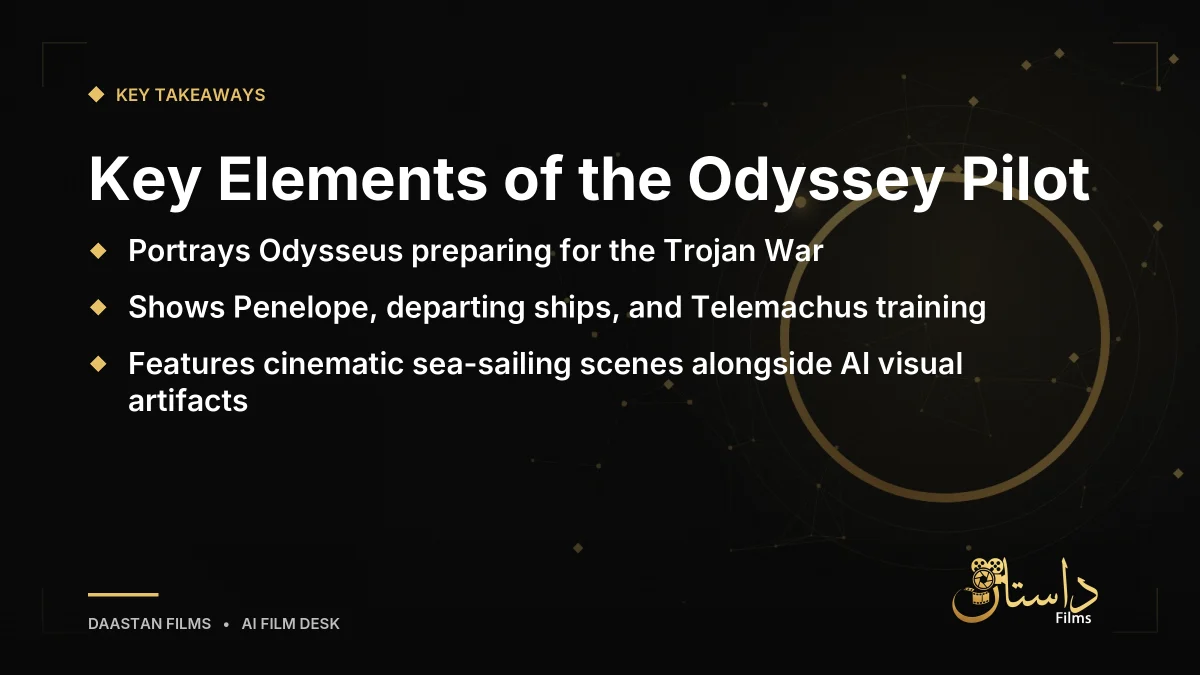
In practice, the results have drawn a mixed reaction from viewers and critics alike. On one hand, certain elements demonstrate cinematic ambition; reports note that scenes depicting ships sailing over the sea look realistic and capture a polished aesthetic. On the other hand, the project has faced substantial scrutiny. Observers pointed out generative AI artifacts, visual glitches, and distortions that typically signal machine-made footage.
For independent directors and digital artists considering automated tools, this dichotomy underscores a fundamental limitation of current generative models. While establishing shots and atmospheric backdrops can achieve striking visual fidelity, maintaining structural integrity across complex character interactions and extended scenes remains exceptionally difficult without intensive human intervention or post-production oversight. Creators must carefully weigh whether the time spent correcting visual errors outweighs the efficiency gains promised by text-to-video tools.
Weighing Quality, Context, and Constraints
For independent filmmakers and industry analysts tracking the evolution of generative tools, the Grok AI generated film Odyssey highlights several recurring bottlenecks in automated storytelling. Critics slammed the pilot for unnatural dialogue, lengthy narration, and slow pacing, with some users comparing the viewing experience to a video game cutscene rather than traditional cinema. These structural pacing issues suggest that automated generation tools currently struggle with the dramatic timing and rhythmic breathing room that human directors and editors naturally infuse into narrative arcs.
Furthermore, stylistic and cultural choices in the project have drawn commentary. Despite being framed around historical authenticity, the characters speak with broad British accents rather than the language of Ancient Greeks. The release also enters a crowded cultural conversation following Christopher Nolan's high-profile, billion-dollar theatrical adaptation of the same epic, putting xAI's automated pipeline under direct comparison with multi-country, human-crew productions that relied on thousands of personnel.
When filmmakers weigh whether to incorporate similar generative video tools into their own pipelines, several critical questions must be addressed regarding rights, audience trust, and production quality. Is the tool capable of sustaining a consistent emotional tone, or do mechanical artifacts break immersion? How do audiences react to synthetic dialogue versus traditional voice acting? Navigating these variables requires a careful assessment of project goals, recognizing that automated systems function best as experimental aids rather than turn-key replacements for traditional crew-based workflows.
As xAI works toward its broader timeline for the remainder of the year, the ongoing rollout will likely be closely watched to see how generative platforms handle narrative consistency, pacing, and human oversight in extended formats. Creators are advised to review official documentation and platform updates directly to understand specific interface updates as these technologies continue to evolve. Ultimately, approaching these tools with a critical, analytical mindset ensures that filmmakers use synthetic generation where it excels—such as rapid conceptual visualization—while maintaining realistic boundaries for final narrative output.
Frequently asked questions
It is a 7-minute AI-generated pilot episode inspired by Homer's ancient Greek epic, created using xAI's Grok Imagine tool in collaboration with Wonder Studios and director Dev Walker.
The project was developed via xAI's Grok Imagine platform in partnership with Wonder Studios and filmmaker Dev Walker.
The pilot received mixed reactions, drawing praise for cinematic sea-sailing visuals while facing criticism from viewers and critics for unnatural dialogue, slow pacing, and generative AI artifacts.
Have a film, DVC or AI project in mind?
Daastan Films blends production, post-production and AI. Let’s talk about yours.